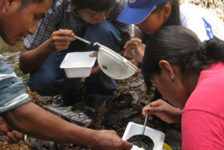



Hello Leaf Pack Network Community,
I hope you’re having a wonderful summer and finding time to enjoy your local streams! In this issue, we’re excited to share a new Caring for Aquatic Macroinvertebrates: Best Practices for Educators guide, an inspiring story from educator Andrea Fellows on using leaf pack investigations with special education students, and a look at why keeping aquatic macroinvertebrates cool is so important for their health and for meaningful classroom investigations.
Thank you for being part of the Leaf Pack Network community and for inspiring the next generation of stream stewards. Wishing you a wonderful start to the new school year!

Tara Muenz
Leaf Pack Network Administrator
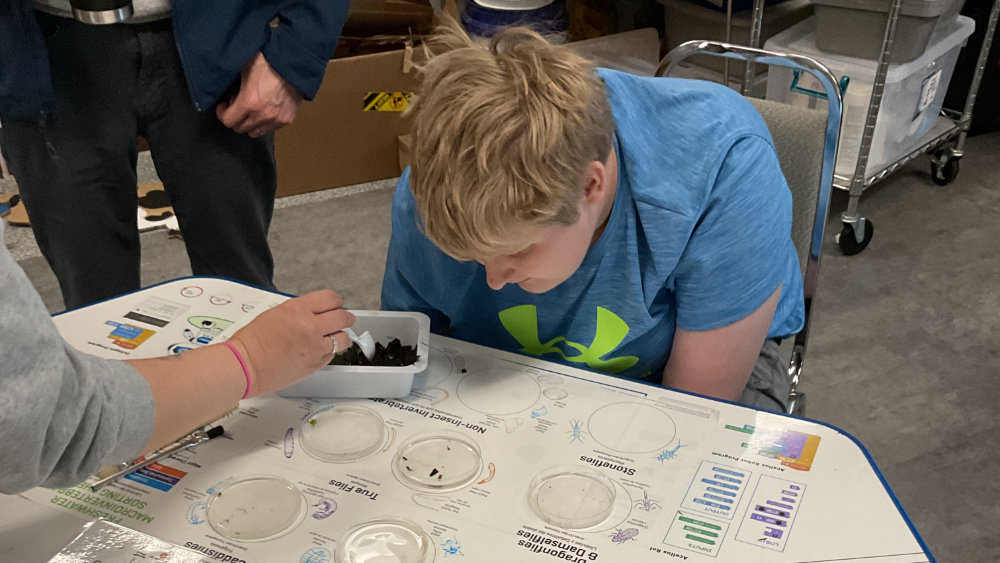
Using Leaf Packs to Increase Access to Environmental Learning Experiences
Stream studies are among the most engaging and memorable ways to teach students about environmental conservation and ecosystem health. There is something special about standing in a stream, turning over rocks, and discovering the organisms living beneath them.
Yet for many educators, providing these experiences can be challenging. Funding limitations, transportation costs, staffing shortages, scheduling constraints, and field trip requirements often create barriers to outdoor learning.
And for students receiving special education services, access to traditional field-based investigations may be further limited without proper support for their medical, physical, sensory, and behavioral needs.
Share Your Leaf Pack Story
A big thank-you to Andrea Fellows from Lancaster, Pa., for sharing her leaf pack story in the article above. Do you have a story, initiative, or lesson that includes the Leaf Pack Network? Help others learn from your experience by sharing it with us: leafpacknetwork@stroudcenter.org.
You can also share your story with the Leaf Pack Network on Facebook by tagging @leafpack.
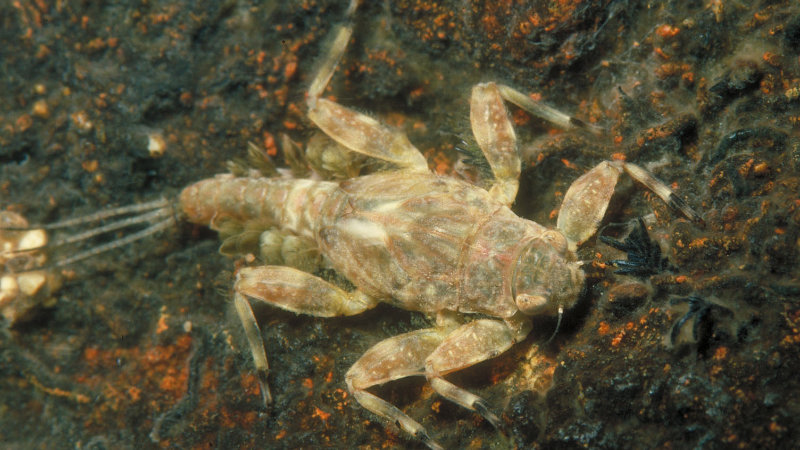
The Science Behind Keeping Macroinvertebrates Cool
Summer heat doesn’t just affect us; it affects the streams and the aquatic macroinvertebrates that call them home. That’s one reason we encourage educators to keep collected macroinvertebrates cool during transport and classroom observation.
In this issue of LPN E-News, we’re sharing an article that explores the science behind that sensitivity. Drawing on decades of Stroud Water Research Center research, scientist John Jackson, Ph.D., explains how warming streams are reshaping freshwater ecosystems, and he highlights studies showing how higher temperatures can alter the growth, development, and reproduction of aquatic insects such as mayflies.
Understanding this science helps explain why maintaining cool, stream-like conditions is one of the most important ways we can care for the organisms entrusted to us during Leaf Pack Network investigations.
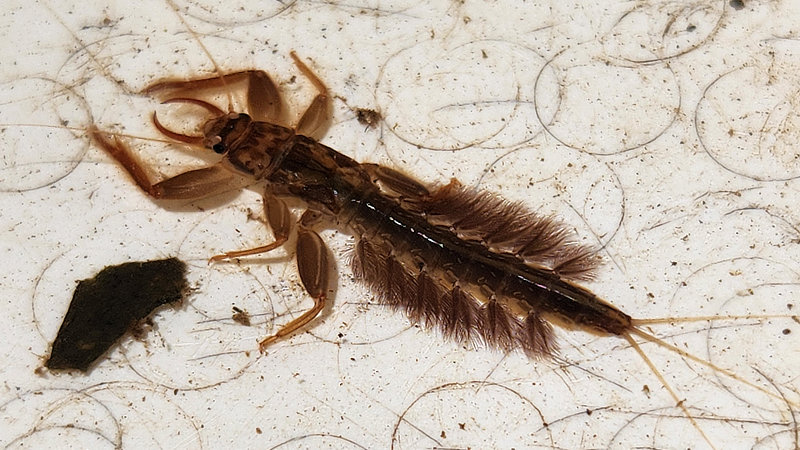
Caring for Aquatic Macroinvertebrates: Best Practices for Educators
Aquatic macroinvertebrates are living animals that have evolved in cool, flowing, oxygen-rich streams. By re-creating these natural conditions as closely as possible, you can minimize stress during classroom investigations and help ensure they remain healthy until they are returned to their stream.
Share Your Data
Did you know you can contribute your Leaf Pack Network data to a community science database? Monitor My Watershed allows you to share your data with the world! You can quickly master this tool, share your data, and explore data from others like you.
Share Your Story
Do you have a local story, initiative, or lesson that includes the Leaf Pack Network? Share it with us by email or mention @leafpack on Facebook.
Request a Workshop
We deliver Leaf Pack Network workshops around the world! They can vary in length from one to two days and are flexible: They can be fully in-person, fully virtual, or a hybrid of both.
Interested in hosting a workshop for teachers, students, community groups, or colleagues? Complete the program request form, and we’ll get back to you for more information.
Keep Up With the Leaf Pack Network
Subscribe to our e-news to get Leaf Pack Network news and event invitations in your inbox!